Political analyst: A military phase of the U.S.–Iran confrontation could create new geopolitical realities along with risks in the region
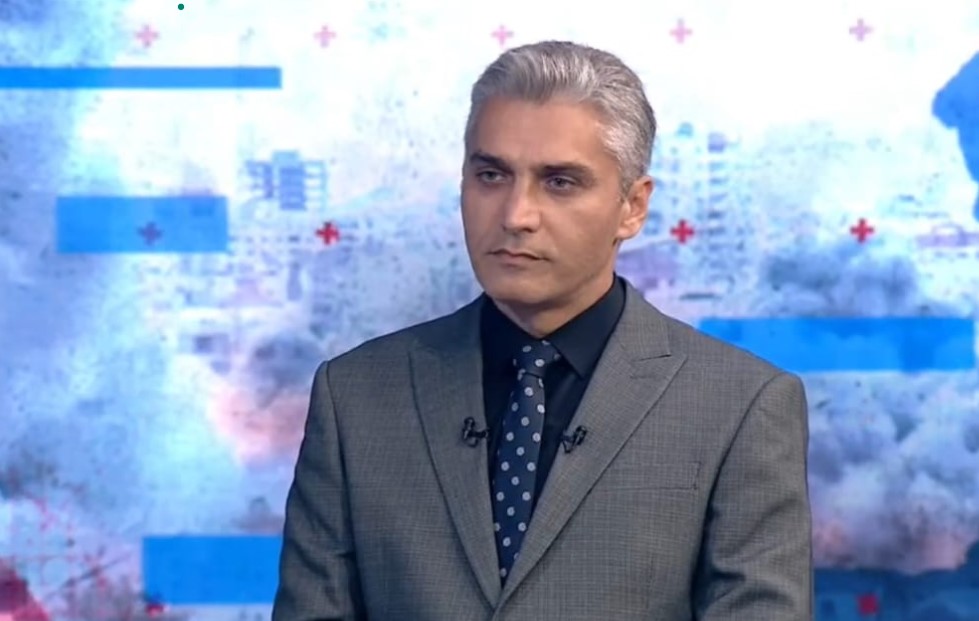
The possibility that rising tensions between the United States and Iran could escalate into a direct military confrontation may seriously undermine the security architecture of the Middle East and lead to large-scale changes.
Political analyst Elnur Enveroglu stated this in an interview with The Daily Baku.
According to him, if the confrontation enters a military phase accompanied by air strikes, naval blockades, or broader involvement of proxy forces, three major developments in the region would become inevitable.
First, the analyst highlighted the growing risks of asymmetric warfare. “Asymmetric warfare is not new to the Middle East. Rather than engaging in a classic direct war, Iran may resort to increasing pressure in the Strait of Hormuz, expanding proxy strikes against Gulf states, activating Hezbollah and other networks against Israel, and intensifying cyber and energy infrastructure attacks. This could expand the geography of security risks and simultaneously create new hotspots of tension,” he said.
Elnur Anvaroglu emphasized that a second major trend could be an increase in the U.S. military presence in the region. “An escalation of U.S. military activity could effectively lead to the export of risks. Transit routes linked to Iran, energy infrastructure, as well as countries bordering Iran or maintaining economic ties with Tehran could become potential risk zones,” he noted.
As a third scenario, the expert did not rule out indirect confrontation among major powers. “Russia and China may not enter a direct war, but it is likely that they will seek to limit U.S. maneuvering space. At the same time, efforts to strengthen alternative energy and trade routes could accelerate, which may affect global geoeconomic balances,” he said.
The political analyst also addressed the possible implications for Azerbaijan. In his view, certain risks would be unavoidable. “In such a scenario, volatility in global energy markets could increase, insurance and logistics costs could rise, and regional tensions could heighten investment risks, complicating economic planning,” Anvaroglu explained.
At the same time, he pointed to potential advantages, while stressing that Azerbaijan does not wish for such escalation. “For Europe, the importance of stable energy sources located outside Russia and the Middle East may grow. In this context, the Southern Gas Corridor and its expansion agenda could gain greater strategic significance, strengthening Azerbaijan’s status as an ‘energy security partner.’ Nevertheless, Azerbaijan supports regional stability and does not seek such geopolitical escalation,” he added.
The expert also assessed the likelihood of a trilateral summit initiative involving the United States, Iran, and Türkiye. According to him, Türkiye’s regional role is a key determining factor. “Türkiye is a NATO member while also maintaining open diplomatic channels with Iran. Although there are disagreements with the U.S., such as over the YPG/PYD issue, functional relations are preserved. Most importantly, Ankara is one of the few actors in the region that combines hard power with diplomacy,” he said.
Anvaroglu believes that although Türkiye may not have direct leverage over global powers, it can still contribute significantly to crisis management. “While it is difficult to directly influence the decisions of major actors such as Russia, China, or the European Union, Ankara can make a real contribution to managing tensions and shaping dialogue platforms through mediation mechanisms. In this regard, a trilateral summit initiative could yield certain results if the right diplomatic configuration is established,” he concluded.
According to the analyst, maintaining balance in the region and preventing military escalation should remain the top priority. “Because a large-scale confrontation would have long-term and difficult-to-manage consequences not only for the Middle East but for the entire Eurasian security environment,” Elnur Anvaroglu added.
© 2026 The Daily Baku. All rights reserved.