Iran War: Preliminary results of the first day
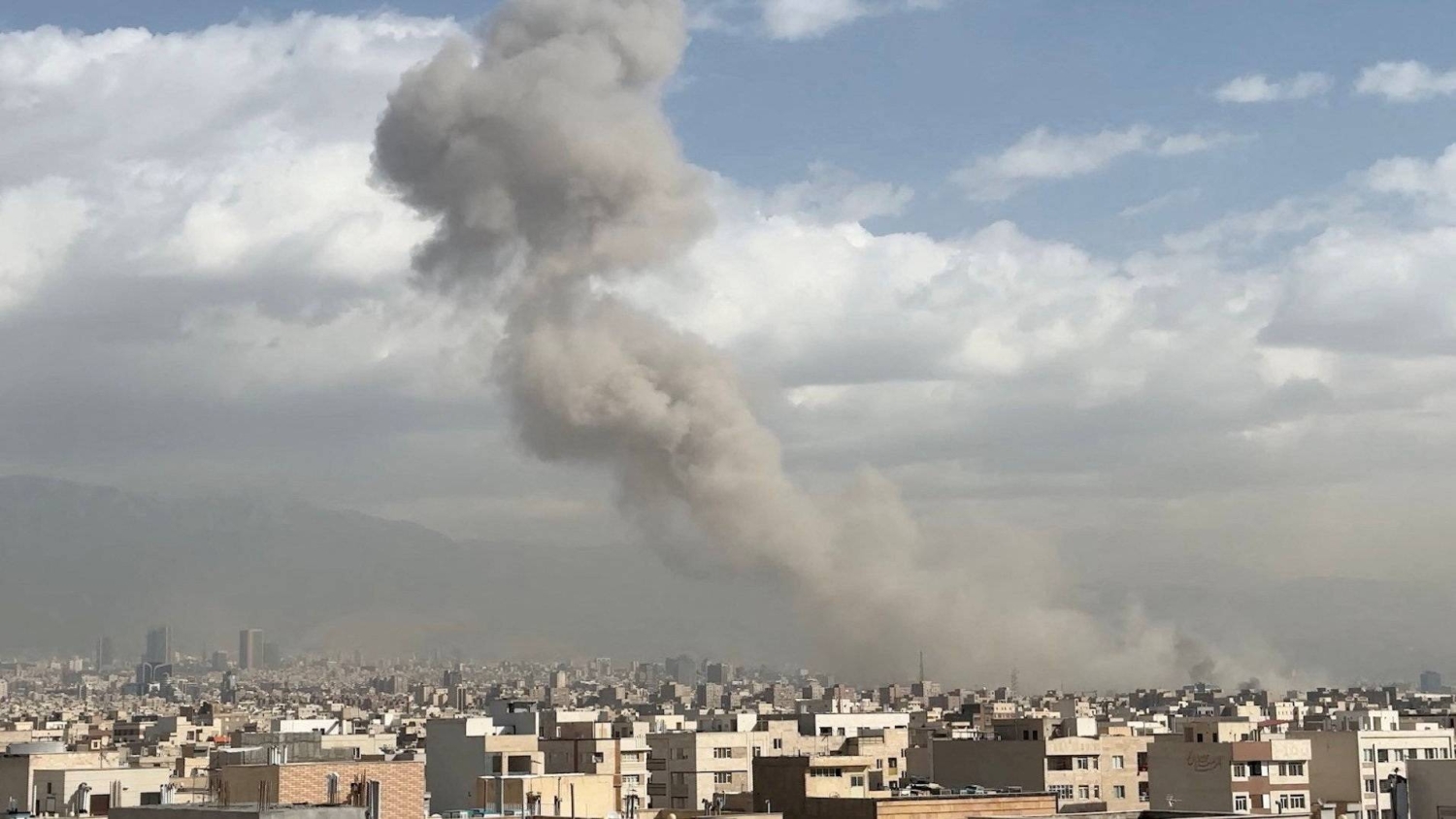
Starting from the early morning hours today, the United States and Israel have launched a large-scale attack against Iran. In today’s strikes, Iran’s political and military leadership, command centers, ballistic missile installations, as well as energy and communications hubs were targeted.
The stated objective of the United States is to achieve regime change in Iran by eliminating the current leadership, while at the same time preserving strong centralized authority in the country. This envisages, at a certain stage, inciting mass protests among Iran’s population and reaching an agreement with certain forces within Iran’s security establishment. Many experts believe that, after Venezuela, the United States seeks to bring Iran under control in order to further restrict China’s access to energy resources and thereby slow down the economic development of its main rival.
The Israeli Air Force is freely using the airspace of Syria, Jordan, and Iraq to carry out strikes on Iran. Since Syria and Iraq either lack air defense systems or have weak ones, it is likely that their consent was not sought. Jordan, however, has likely given confidential consent for the use of its airspace.
The Iranian government has condemned the attack by the United States and Israel and stated that it will resist. The Iranian armed forces have begun carrying out retaliatory strikes. Iran is launching missile and drone attacks against Israel and against U.S. military facilities in Qatar, Saudi Arabia, and Bahrain.
Another notable point is the Iranian government’s call for Tehran residents to leave the city. It is likely that by evacuating the population from the capital, the government aims to reduce the risk of mass unrest.
Although the United Kingdom has not joined the offensive operation against Iran, its military forces are participating in repelling Iran’s missile attacks against Israel.
Iran’s military tactics differ from those of the United States and Israel. In the early days, Iran prefers to use relatively older-generation missiles and inexpensive drones to deplete the opponent’s air defense capabilities, while reserving its more modern missiles for later stages. The United States and Israel, on the other hand, aim from the very first days to disable Iran’s political-military leadership and its command and control systems through powerful strikes.
At present, the main question concerns the extent of the damage inflicted on Iran during the first wave of strikes and whether the country’s leadership has survived these attacks.
In any case, considering that Iran has been consistently preparing for war since the conflict that took place in June last year and has obtained military assistance from China and Russia, it can be expected that the current war will be more intense and destructive than the one in June.
The Daily Baku Editorial Board
© 2026 The Daily Baku. All rights reserved.