İnanç: The Geneva deadlock accelerated the military scenario between the U.S. and Iran
A possible U.S. military operation against Iran was an expected development in light of the events that have taken place in recent days.
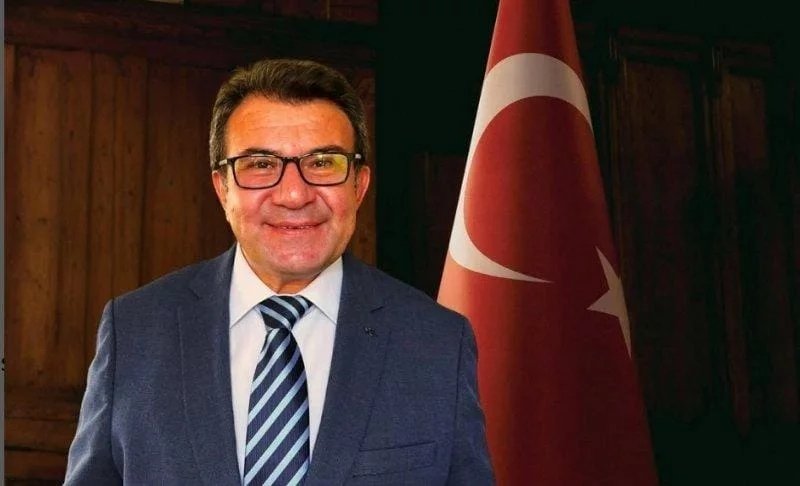
Turkish expert Hüsamettin İnanç stated this in a comment to The Daily Baku.
According to him, particularly after a significant military arsenal was deployed to the region, the deadlock in nuclear negotiations with Iran pushed the situation to a critical threshold. “The main issue on the agenda was the complete suspension of Iran’s nuclear program, reducing uranium enrichment to zero, and the total elimination of nuclear production. However, no agreement was reached in this direction during the talks held in Geneva,” İnanç noted.
The expert stated that the failure to reach an agreement on the nuclear issue automatically complicated discussions regarding ballistic missiles. According to him, there were two main demands: reducing Iran’s missile arsenal and decreasing the range of its missiles from 2,500 kilometers to 300 kilometers. “Tehran openly assessed this as interference in its sovereign rights and rejected it,” he stressed.
Hüsamettin İnanç added that weakening Iran’s relations with China and transitioning its energy sector to a more transparent international oversight mechanism were also discussed during negotiations. However, no significant progress was recorded in these areas either. According to him, U.S. representatives, particularly Washington’s regional envoys, returned from Geneva with serious disappointment.
The expert also pointed out that the Israeli factor played an important role in the process. “Israel seeks not only Iran’s transformation, but effectively a change in its existing political system. From its security perspective, it clearly demonstrates that it does not accept the current Iranian model,” İnanç said.
In his view, under this pressure, the United States was compelled to demonstrate a more active military posture in the region. “The key question now is how Iran will respond. Following joint actions by the United States and Israel, Iran’s retaliatory strike against American military bases in the region indicates that tensions have entered a new phase,” he stated.
Hüsamettin İnanç believes that if mutual attacks expand and Tehran perceives the situation as a threat to its existence, it could rapidly escalate into a regional war. “In such a scenario, the conflict would not remain limited to the Middle East. There is a risk of Iran attempting to form new alliances, as well as a clash of interests among major powers. This could give the conflict a global dimension,” he emphasized.
The expert stated that the key factor determining the course of events will be Iran’s next move: “If Tehran chooses to return to negotiations, tensions can be contained. However, if it interprets the situation as an existential threat and responds more harshly, this will alter regional geopolitics and could lead to a broader confrontation involving major powers such as Russia, China, and India.”
Hüsamettin İnanç concluded by noting that the coming days will be decisive for the future of the region and even for the global security architecture.
© 2026 The Daily Baku. All rights reserved.