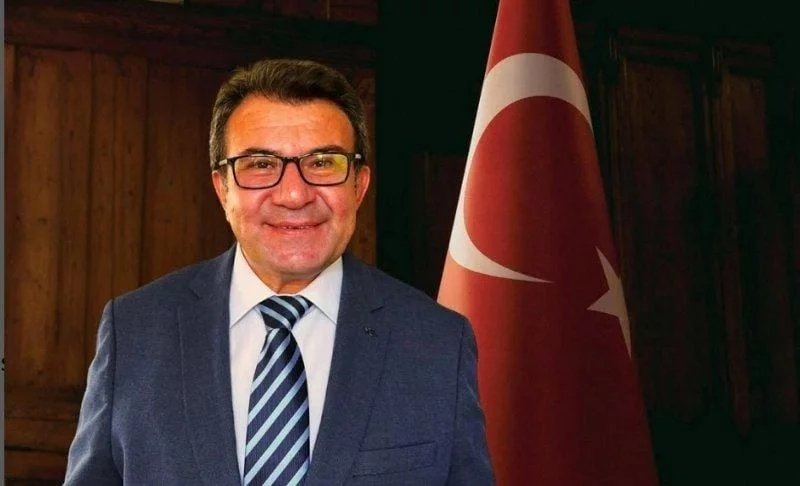
Husamettin Inanc: The South Caucasus is entering a new energy and transit phase
With the visit of U.S. Vice President G.D. Vance, the contours of a new geopolitical phase in the South Caucasus have begun to emerge more clearly. The region is gradually entering a new stage of development shaped by a more independent, multilateral, and balanced foreign policy approach.
This was stated by Turkish expert Husamettin Inanc in a comment to The Daily Baku.
The expert noted that in recent years, South Caucasus countries have begun to assess their security, economic, and transportation interests within a broader geographical framework. This approach is enabling the region to move beyond being a closed political space and to become an integral part of global trade, energy, and transit networks.
According to Husamettin Inanc, the meeting between the leaders of Azerbaijan and Armenia in Washington on August 8 last year made a significant contribution to the formation of a new dialogue environment in the region. The agreements reached after that meeting were accompanied by concrete steps, which can be considered an important stage in strengthening mutual trust.
The expert emphasized that projects such as the Zangezur corridor and the initiative known as the “Trump road” are no longer merely subjects of political discussion but have entered the implementation phase as concrete economic and infrastructure projects. Azerbaijan and Armenia have made serious investments in this direction, and progress toward the completion of these projects is clearly visible.
Husamettin Inanc stated that the Zangezur corridor could play an important role in ensuring the secure and sustainable flow of transportation and energy between Asia and Europe. This corridor creates additional opportunities not only for regional countries but also for global trade chains.
According to the expert, the strengthening of the Middle Corridor will contribute to deeper economic ties among countries of the Turkic world, increased trade turnover, and, over time, a more institutionalized political dialogue. This process serves as one of the key factors reinforcing the environment of cooperation in the region.
Husamettin Inanc also noted that Europe’s growing need for new and reliable energy routes further increases the importance of energy and transit corridors passing through Azerbaijan. These routes are formed on the basis of mutual benefit for producer, transit, and consumer countries alike.
The expert added that the expansion of trade and energy projects has a positive impact on political relations, as economic interdependence makes peace and stability more attractive. This approach creates a solid foundation for long-term cooperation in the region.
According to Husamettin Inanc, the South Caucasus is no longer merely a region of local importance but occupies a significant place on the global energy and logistics map. Azerbaijan contributes to regional development by acting both as an initiator and a coordinator in this process.
The expert stressed that in the near future, more active participation by Kazakhstan, Georgia, and other regional countries in these processes will expand the transit and economic potential of the South Caucasus. This will help strengthen peace and stability in the region on an economic basis.
In conclusion, Husamettin Inanc stated that all these processes are turning Azerbaijan into a rising center of cooperation within the Turkic world: “They increase the functionality of the Middle Corridor and transform the region into an integral part of global trade and energy flows. It is precisely these factors that create real opportunities for long-term and sustainable peace in the South Caucasus and lay the foundation for a positive geopolitical transformation of the region.”
© 2026 The Daily Baku. All rights reserved.