Fitch Ratings: Rising energy prices could contribute to economic growth in Azerbaijan
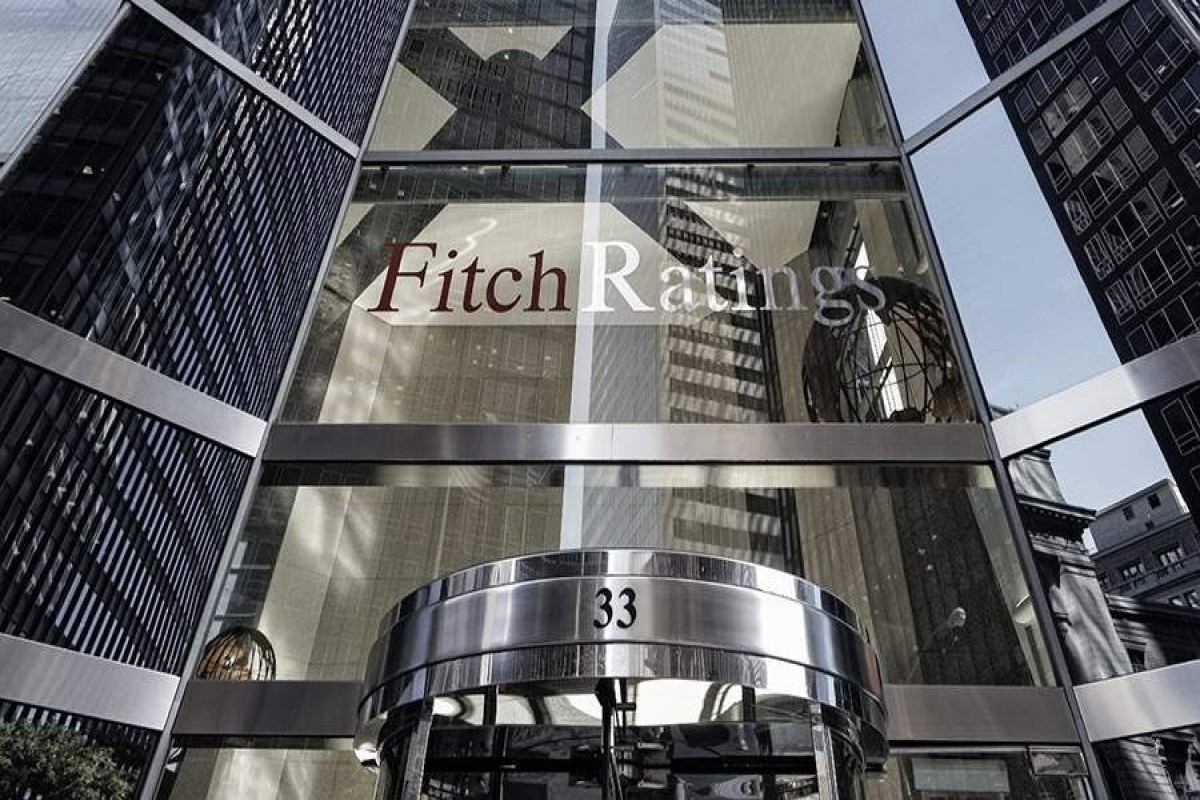
“An increase in oil and gas prices is expected to have a positive impact on Azerbaijan’s external and public finances and may contribute to an acceleration of economic growth in 2026.”
This is stated in a report by the international rating agency Fitch Ratings.
The report notes that amid the war in the Middle East, rising hydrocarbon prices will strengthen Azerbaijan’s twin surpluses. According to the agency’s baseline scenario, the current account surplus will remain at 4.5% of GDP in 2026, while the consolidated budget surplus is projected to reach 2.1% of GDP, despite expectations of lower returns on the assets of the State Oil Fund.
Analysts expect growth to re-accelerate in 2026.
According to Fitch Ratings’ assessments, the share of the non-oil sector in the economy remains volatile and largely dependent on oil prices. This share declined by 9 percentage points from its peak of 63.5% in 2015, against the backdrop of oil prices reaching a 14-year high in 2022.
The agency notes an increasing contribution from the services sector, particularly information and communication technologies and tourism. Both sectors added 0.2 percentage points to economic growth in 2025.
Analysts emphasize that Azerbaijan’s strategic geographical position, including its major port on the Caspian Sea, has increased the country’s importance as a transit hub within the framework of the Middle Corridor. Since the start of the war in Ukraine, the volume of overland freight transport has more than doubled, reaching an average of 27% of service exports in 2022–2024, with its share in GDP rising to 2.3%.
In addition, Fitch Ratings notes that non-oil budget revenues have increased significantly, accounting for approximately half of total revenues (13% of GDP) in 2022–2025.
According to the fiscal rule, the non-oil deficit must be reduced to below 13% of non-oil GDP by 2029. For comparison, this figure stood at 20.4% in 2024. The report stresses that achieving this will require further increases in non-oil revenues and strengthening the institutional framework, including tighter oversight and the establishment of clear fiscal targets.
© 2026 The Daily Baku. All rights reserved.