Center chief: Energy sector is increasingly targeted by cyber threats
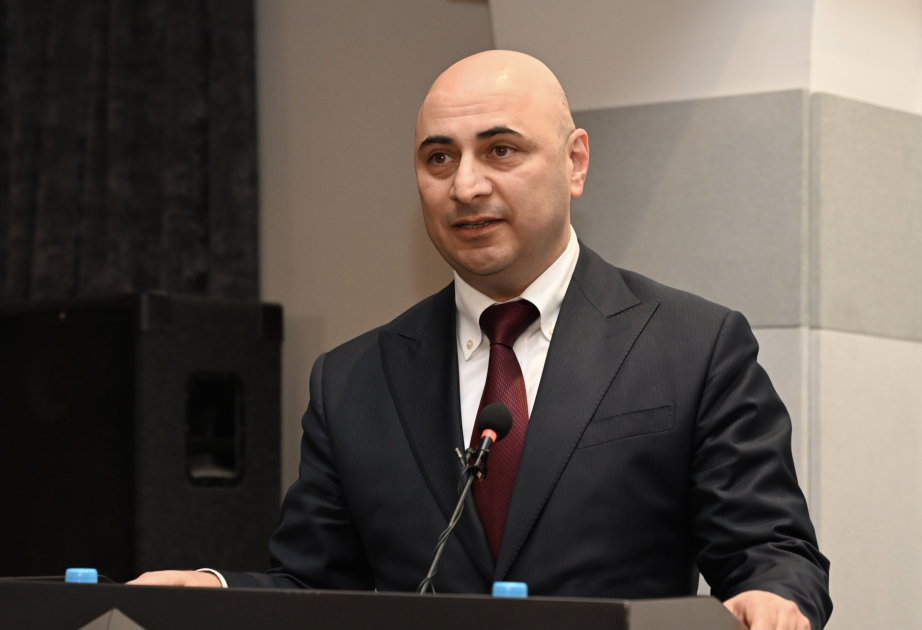
Under Azerbaijani legislation, 10 areas have been designated as critical information infrastructure sectors, and the energy sector holds a special place among them.
Davud Rustamov, head of the National Cybersecurity Center of the State Security Service of Azerbaijan, said this during his speech at the 4th National Cybersecurity Forum held in Baku.
According to him, global reports show that the energy sector remains one of the priority targets among critical sectors.
“Without energy resources, the operation of other critical sectors becomes risky, or more precisely, the risk of disruption increases. Therefore, it is no coincidence that the energy sector is more frequently targeted by cyber threats,” Rustamov said.
He noted that, according to reports by various international sources, more than 1,000 serious attacks are recorded weekly in the energy sector worldwide, and this trend is increasing significantly at the global level.
Rustamov also drew attention to the threat posed by APT attacks, or state-sponsored cyberattacks.
“State-backed attacks are considered extremely dangerous. This is not an ordinary cyberattack. Special services stand behind this type of threat activity,” he said.
According to him, such attacks mainly target the state’s critical information infrastructure and are aimed at ensuring long-term persistence in target systems. In practice, such cyberattacks are often detected only after an average of 200 to 300 days.
Rustamov added that the National Cybersecurity Center has experience in investigating APT cyberattacks.
He stressed that such cyber investigations require a special approach and involve serious challenges. These threats increase the importance of protecting not only critical information infrastructures, but also related systems.
“Such cyberattacks can cause long-term damage, including financial losses. They can also deprive the population of essential services, disrupt industrial systems, and lead to unauthorized access to sensitive information, including state secrets,” he said.
Rustamov described APT cyberattacks as a form of sabotage carried out through online means.
He noted that recent amendments to Azerbaijan’s national legislation, including the Criminal Code and the Code of Criminal Procedure, have expanded the scope of sabotage-related crimes.
“Relevant law enforcement agencies in Azerbaijan are taking adequate measures in this direction. For these reasons, we see that Azerbaijan’s ranking in the cybersecurity index is steadily improving,” Rustamov added.
© 2026 The Daily Baku. All rights reserved.