Azerbaijan presents a global partnership model in Davos
The numerous meetings held by President Ilham Aliyev at the World Economic Forum in Davos on January 20, 2026, clearly demonstrate that Azerbaijan’s position in the global political and economic system has entered a qualitatively new stage.
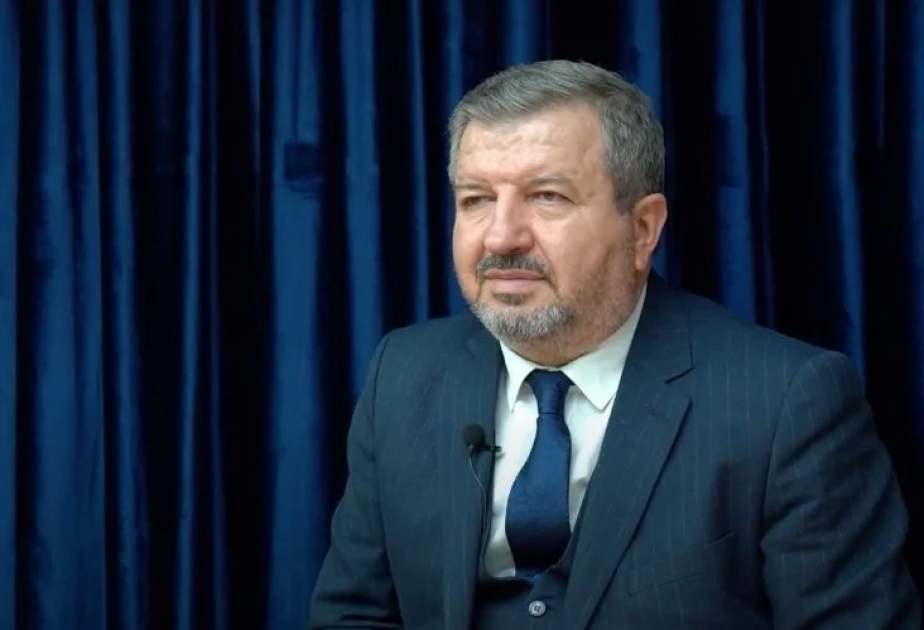
This was stated by Turkish expert Togrul Ismayil in an interview with The Daily Baku.
According to him, against the backdrop of these meetings, Baku’s approaches to energy security, the green energy transition, and transport and logistics corridors are of great importance not only in terms of economic cooperation, but also in terms of deepening strategic partnerships across Europe and Eurasia.
The expert noted that Azerbaijan’s position on energy security is based on pragmatism and long term planning.
“In recent years, the diversification of energy sources has become a strategic priority in Europe, and in this context Azerbaijan is regarded as a reliable partner. The negotiations held in Davos showed that Baku does not position itself merely as a natural gas supplier, but presents energy security in the context of political stability, contractual discipline, and long term commitments. This approach elevates relations with European Union countries from a purely commercial level to a framework of strategic trust and further strengthens Azerbaijan’s position on the energy map of Eurasia.”
According to Togrul Ismayil, the green energy agenda is a clear indicator of a qualitative shift in Azerbaijan’s energy policy.
“The prominence of renewable energy, green hydrogen, and carbon emission reduction issues during the Davos meetings shows that Azerbaijan is offering a model aligned with the global climate agenda while reconciling it with national interests. The wind energy potential of the Caspian Sea, solar energy projects, and prospects for exporting green energy to Europe are turning Baku into a reliable partner for Europe not only during the transition period, but also in the post carbon energy system. This creates a foundation for partnerships to become more long term and institutional in nature.”
The expert added that one of the key areas of President Ilham Aliyev’s discussions in Davos focused on transport and logistics corridors.
“At a time when global supply chains are experiencing serious disruptions, Azerbaijan’s growing role in the Middle Corridor is particularly noteworthy. Located at the intersection of the East West and North South transport routes, Azerbaijan is transforming its infrastructure capabilities into a geopolitical advantage. The discussions in Davos demonstrated that Baku views transport and logistics not merely as an economic project, but as a geopolitical instrument that fosters regional stability and interdependence.”
According to him, this approach elevates Azerbaijan’s regional role to a new level. The country is no longer just a transit territory, but is emerging as a hub that offers logistics security, regulatory compatibility, and political stability.
“This expands Azerbaijan’s influence in shaping geopolitical balances across Eurasia and transforms Baku from a passive participant into an active architect of regional processes.”
In conclusion, Togrul Ismayil emphasized that the Davos meetings demonstrated the systematic and strategic nature of Azerbaijan’s responses to global challenges.
“The initiatives put forward in the fields of energy security and the green transition deepen partnerships with Europe and Eurasia, while the transport and logistics agenda elevates Azerbaijan’s regional and global role to a new geopolitical stage. In this sense, the Davos platform can be regarded as an important political and economic showcase where Baku presents its long term development strategy to the international audience.”
© 2026 The Daily Baku. All rights reserved.